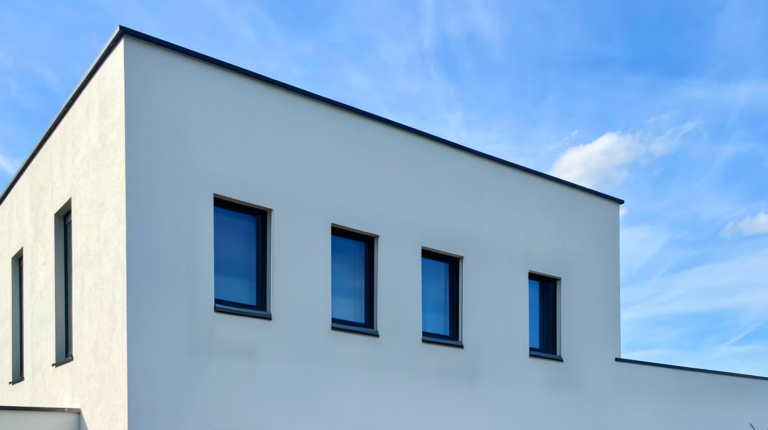
Acrylic render 101: build-ups, benefits, costs and summer project tips
If you are weighing up exterior options for a summer refurb, acrylic render sits in that useful middle ground. It is more flexible than traditional sand and cement, kinder to mixed substrates, and far quicker to dry in warmer weather. For budget-conscious renovators, that mix of resilience, speed, and finish choice can be hard to beat.
This guide explains what acrylic render is, when to choose it over other systems, how a typical build-up works, and the realistic costs and timeframes to expect in UK summer conditions. You will also find answers to the common myths about sealing and cracking, plus practical planning tips for hot spells and passing showers.
Rendplas Ltd installs a range of systems across Lancashire. Acrylic rendering is one of several options we specify where it fits the property and brief. If you are in Preston or nearby and want tailored advice, book a free on-site consultation and written quote.
What acrylic render is, in plain English
Acrylic render is a polymer-modified render. Manufacturers add acrylic resin to the mix so the finished coat is more flexible, more adhesive, and less prone to hairline cracking than a straight sand-cement render. It is commonly used as a thin coat finish, often 1.5 mm to 3 mm, over a prepared and reinforced base coat.
Where It Shines
Over mixed substrates on the same elevation (for example original brick, patched blockwork, and areas of old, sound paint).
Refurbishment on previously painted but solid walls where removal is impractical.
Projects needing quick drying and minimal downtime in summer.
Colour runs through the finish in many systems, so you do not necessarily need to paint. Texture options range from smooth and float-finished to fine or medium scraped and light-stippled looks, depending on the manufacturer.
Acrylic compared with sand-cement and silicone thin coat
Choosing the right system depends on substrate, exposure, and budget. Here is a balanced view.
Sand and Cement Render
Pros: Low material cost, robust feel, familiar to many trades.
Cons: Stiffer, so it can be crack-prone with movement; usually needs painting; breathability and water-shedding are lower than modern polymer systems; maintenance cycles can be shorter in wet and windy regions.
Acrylic Thin Coat
Pros: Flexible and adhesive for refurb over sound, previously painted surfaces; quick drying in warmer weather; wide colour and texture range; good impact resistance for day-to-day knocks.
Cons: Not as vapour-open as top-spec silicone thin coats; may pick up surface dust slightly faster than silicone in exposed, damp locations; performance depends on correct base coat and detailing.
Silicone Thin Coat
Pros: Excellent water-shedding with high breathability; very low maintenance; strong colour stability; great for coastal or high-rainfall settings.
Cons: Typically higher material cost than sand-cement and some acrylic lines; specification and colour choice should be planned carefully up front.
In our Lancashire climate, silicone thin coat is often the go-to for long-term low maintenance. That said, acrylic render remains a smart choice for budget-led refurbishments over sound, painted elevations or mixed substrates where flexibility and fast turnaround are priorities. If you are unsure, we can compare options on site and price both.
For more on silicone and other systems, see our overview of rendering services, including silicone thin coat and monocouche options, in our rendering page at Rendplas Ltd.
Typical acrylic build-up on a refurbishment
While manufacturers vary, most systems follow this pattern:
Substrate prep
Remove loose coatings, friable render, algae, and salts. Rinse and allow to dry. Rake out and fill cracks. Check junctions, copings, and gutters to minimise future water tracking.
Primer or Bonding Agent
A compatible primer improves adhesion and evens suction, especially over mixed backgrounds and previously painted areas.
Base Coat with Mesh Reinforcement
Apply a polymer-modified base coat to the correct thickness.
Bed alkali-resistant glassfibre mesh into the wet base, with laps at corners, openings, and stress points. This spreads movement and resists cracking.
Allow to dry as per manufacturer guidance.
Key or Intermediate Primer
A thin, pigmented primer matched to the final colour often goes on before the finish. It promotes even colour and texture pick-up.
Acrylic Finish Coat
Apply the specified grain size, typically 1.5 mm to 3 mm. Finish with the correct tool and technique for the chosen texture.
Machine application can speed stages 3 and 5 on larger elevations. Our spray equipment lays down even coats quickly, which helps with consistency and programme on sizeable façades.
Textures, colours, and kerb appeal
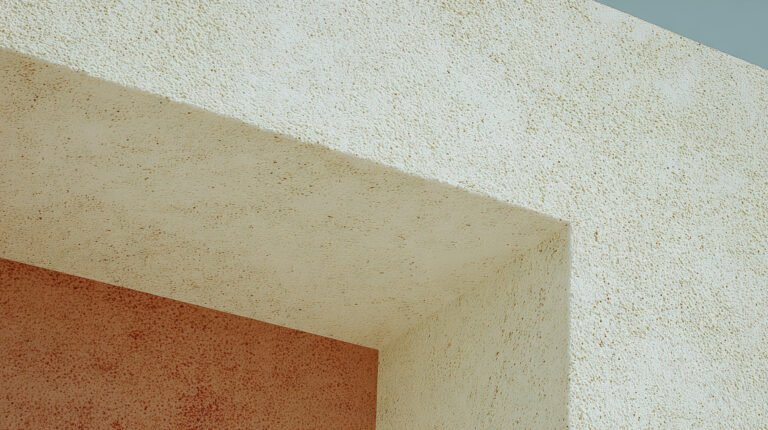
Acrylic thin coats come in a broad palette, from crisp whites and off-whites to warm neutrals and bolder tones. Popular textures include:
Fine rubbed 1.5 mm grain for a contemporary, uniform finish.
Medium grain where you want slightly more texture to disguise minor substrate imperfections.
Float-finished options for a smoother look on suitable systems.
Because the colour runs through the coat, knocks are less likely to show and repaint cycles are reduced compared with painted sand-cement.
Drying and curing in summer weather
Acrylic systems typically dry faster in warm conditions. As a rule of thumb:
Touch-dry can be within hours on a warm, breezy day.
Full cure takes longer and is product-specific.
Plan Around
Hot sun:
Direct, intense sun can flash-dry the surface. Shading and earlier start times help avoid rapid skinning that can hamper finishing.
Showers:
Acrylic is more forgiving than paint but still needs a weather window. We watch the forecast and sequence elevations to dodge showers.
Temperature:
Most products specify a minimum and maximum application temperature. In the UK summer, early starts often hit the sweet spot.
We keep clients updated on weather calls so you know when each elevation is scheduled and why adjustments are made.
Maintenance and cleaning
Day to day, acrylic thin coats are low fuss. Rinse down with a hose or very gentle pressure wash to remove grime. For algae-prone elevations, a mild biocidal wash used per instructions can help. Avoid harsh abrasives and aggressive pressure that could scuff the texture. Inspect copings, flashings, and gutters annually so water is always shedding away from the façade.
Myths to park now
Acrylic render needs sealing:
Not usually. Most acrylic finishes are designed as a finished, coloured coat. A separate sealer is not required unless the system manufacturer specifies a particular protective product for a special condition.
Acrylic always cracks:
Hairline cracks are typically a symptom of poor prep, missing or misapplied mesh, or movement joints not carried through. With a proper base coat, full mesh reinforcement, and good detailing, acrylic thin coat systems offer strong crack resistance.
You cannot go over paint:
You can if the existing paint and substrate are sound, well-bonded, and correctly prepared. Adhesion testing and the right primers are essential.
Lifespan and guarantees
With correct preparation, detailing, and normal maintenance, acrylic thin coat finishes often last 15 to 25 years. Exact lifespan depends on exposure, colour choice, and local conditions. Rendplas offers system-backed guarantees that are confirmed during consultation and in your written quote.
Costs and What Drives them
Pricing Varies By…
Total area and access (scaffolding, height, complex shapes).
Substrate condition and prep time.
Choice of system, grain size, and colour.
Detailing around windows, parapets, and junctions.
Hand application versus machine-assisted application for large runs.
Acrylic thin coats usually sit above basic sand-cement on material cost but below premium silicone systems. On large elevations, machine rendering can trim labour time and help keep programmes tight. The best way to fix a number is a site visit, after which we provide a clear, line-by-line written quote.
If you are comparing systems for a Preston home, see our page on acrylic rendering in Preston for examples and context that can help filter choices before a survey.
Summer scheduling tips for UK projects
Book scaffolding early and coordinate deliveries to align with likely dry spells.
Sequence façades so shaded or leeward sides are tackled during hotter hours.
Expect one or two weather pivots; a good contractor will keep you posted and protect fresh work if a shower drifts in.
Choose colours with UV stability, and be mindful that very deep tones can run hotter in full sun, which may marginally affect handling time.
Ask about machine application if you have long, uninterrupted runs. It speeds delivery and supports a consistent texture.
Quick comparison snapshot
Best for mixed or previously painted substrates that are sound: Acrylic thin coat.
Lowest initial material cost: Sand and cement.
Lowest maintenance in wet, windy settings: Often silicone thin coat.
Fastest summer turnaround with tidy textures: Acrylic and silicone thin coats, especially when machine-applied on big areas.
FAQs
What is Acrylic Render?
A polymer-modified thin coat system that adds flexibility and adhesion compared with sand and cement, typically applied over a reinforced base coat with mesh, then finished in a coloured texture.
Is acrylic render better than sand and cement?
Often for refurb over sound painted or mixed substrates, yes. It is more flexible, needs less repainting, and dries faster. For the very lowest upfront spend, sand-cement can still be used, but it usually needs painting and more maintenance over time.
Does acrylic render need a base coat?
Yes. A properly specified base coat with embedded glassfibre mesh is standard. It manages movement, improves flatness, and provides a stable bed for the finish.
What is the lifespan of acrylic render?
Typically 15 to 25 years with correct prep, detailing, and maintenance. Exposure and colour choice can influence longevity.
How much does acrylic render cost?
It varies by area, access, substrate prep, detailing, and whether machine application is used. It generally costs more than sand-cement and less than many silicone systems. A free site survey and written quote will pin this down for your property.
A quick note on alternatives
If breathability is your top priority on a solid-walled period property, lime render may be the right call. If low maintenance in driving rain is the main goal, silicone thin coat is usually the benchmark. If you prefer a through-colour scraped look, K-Rend monocouche is worth comparing. We install all three, so the advice is neutral and based on what will work on your walls.
For a broader view of silicone and monocouche systems, explore our page on silicone render and related finishes for context before we visit.
Summary and next steps
Acrylic render is a practical, budget-friendly way to refresh tired elevations, especially where you have a mix of backgrounds or sound, previously painted surfaces. The core strengths are flexibility, quick drying in summer, and a smart, coloured finish over a reinforced base. Compared with sand and cement, you gain resilience and cut down on repainting. Compared with silicone, you often save on materials, while accepting a modest trade-off in ultimate breathability and water-shedding.
If you are planning works in Preston or across Lancashire, request a free on-site consultation and written quote. We will assess the substrate, explain the options side by side, and schedule your project around the weather so you get a clean, durable finish with minimal fuss.
Internal links included for your research
Learn about acrylic rendering options for Preston properties on our acrylic rendering page.
Explore wider rendering options, including silicone thin coat and monocouche, on our rendering services page.