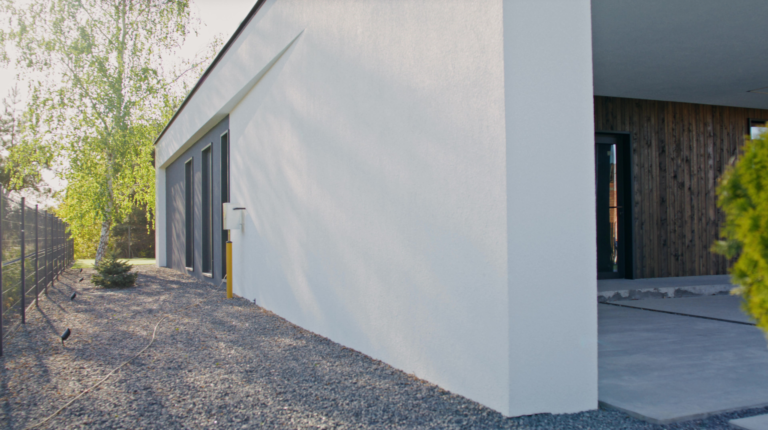
K Rend Rendering: Is It Worth It for Lancashire Homes?
If your exterior walls are looking tired, weathered or difficult to maintain, K Rend rendering offers a modern alternative to painted masonry and traditional sand-and-cement finishes. Its clean appearance, durable surface and wide colour range have made it one of the most requested render systems across Lancashire in recent years.
But before committing to a full rendering project, it helps to understand how K Rend performs in real conditions, what maintenance it actually requires, and whether the higher installation cost delivers genuine long-term value.
This guide explains how K Rend systems work, how long they realistically last, the most common installation mistakes to avoid, and the practical pros and cons homeowners should know before choosing a finish.
With warmer weather approaching, spring is often the best time to arrange surveys and secure installation dates ahead of the busiest summer period.
What Makes K Rend Different?
K Rend is a silicone-enhanced rendering system designed to provide a decorative, weather-resistant finish for exterior walls. Unlike older cement renders that often require repainting and are prone to cracking, K Rend combines flexibility, water repellency and breathable performance in a single system.
The finish itself is normally applied over reinforced basecoats and primers to create a durable layered build-up. Because the colour pigment is integrated into the render, the appearance remains consistent for years without the regular repainting cycle associated with traditional masonry coatings.
Main Features of K Rend
Silicone Water Repellency
Rainwater runs off the surface rather than soaking in, helping walls dry more quickly after wet weather.
Breathable Structure
Moisture vapour can escape from the wall substrate, reducing the risk of trapped damp when installed correctly.
Flexible Performance
Modern render systems tolerate small amounts of structural movement far better than rigid cement render, helping reduce hairline cracking.
For homes exposed to Lancashire’s frequent rainfall and fluctuating temperatures, these qualities make K Rend especially attractive for both renovations and new-build properties.
Expected Lifespan and Long-Term Performance
A professionally installed K Rend system can typically last well beyond two decades. In many cases, homeowners can expect around 25 years or more of serviceable life before significant refurbishment becomes necessary.
The overall lifespan depends heavily on:
- Proper substrate preparation
- Correct reinforcement and detailing
- Exposure to driving rain or heavy shade
- Ongoing maintenance and cleaning
- Quality of workmanship during installation
Like any render system, longevity is determined as much by the installation process as the material itself. Poor detailing around windows, movement joints or rooflines can shorten the life of even premium systems.
Many rendering systems also include manufacturer-backed guarantees. Rendplas offers guarantees typically ranging between 10 and 25 years depending on the specification agreed during survey and quotation.
Does K Rend Need Maintenance?
K Rend is often described as “low upkeep,” but that does not mean completely maintenance free. While it generally stays cleaner for longer than painted render, some care is still required to keep the finish looking its best.
Recommended Maintenance
Occasional Washing
A gentle rinse using clean water helps remove airborne dirt, pollen and traffic residue.
Avoid Harsh Pressure Washing
Aggressive jet washing can damage textured finishes if used incorrectly.
Remove Organic Growth Early
Shaded walls may occasionally develop algae or green staining. Specialist render-safe cleaners are recommended for treatment.
Keep Drainage Clear
Leaking gutters and overflowing downpipes are among the most common causes of render staining.
One practical advantage of K Rend systems is that minor local repairs can often be blended reasonably well using colour-matched materials.
Common Problems and Misunderstandings
“K Rend completely stops damp”
No render system can solve underlying damp problems caused by leaks, bridging or structural defects. Correct specification and preparation are essential.
“It never discolours”
Although silicone technology helps reduce dirt retention, environmental conditions still influence long-term appearance — particularly near trees or busy roads.
“It can be applied in any weather”
Temperature, moisture and drying conditions matter significantly during installation. Professional installers monitor weather carefully to avoid future failures.
Real-World Advantages and Drawbacks
Benefits
- Modern, uniform appearance
- Excellent colour retention
- Reduced repainting requirements
- Improved weather resistance
- Better crack resistance than traditional render
- Wide range of textures and colours available
Potential Drawbacks
- Higher installation cost than basic render
- Requires experienced system installers
- Weather conditions can delay application
- Incorrect preparation can lead to future failures
Across Lancashire, lighter contemporary shades remain the most popular, particularly White, Ivory, Ash White and Limestone-inspired tones.
Choosing the Right K Rend Finish
Different properties require different render specifications. The best option depends on factors such as wall construction, exposure levels, insulation requirements and desired texture.
Popular systems include:
- Scraped texture silicone finishes
- Monocouche render systems
- Thin coat render systems
- External wall insulation render packages
A professional site survey helps ensure the chosen system is compatible with the building and appropriate for local conditions.
Explore silicone thin coat render systems
External wall insulation services
Internal plastering and drylining
What Influences Rendering Costs?
Several elements affect the overall project price:
- Property size and wall area
- Scaffolding requirements
- Existing render condition
- Repair work and preparation
- Architectural detailing
- Accessibility and logistics
- Insulation upgrades
Because no two buildings are identical, accurate quotations require a proper site assessment.
Best Time to Book Rendering Work
Rendering projects are usually best scheduled during spring and early summer when temperatures are more stable and drying conditions are favourable.
Booking earlier in the season often provides better flexibility before peak summer demand increases.
Quick FAQ
How long does K Rend rendering last?
Typically 25 years or more when installed and maintained correctly.
Does K Rend crack easily?
No. Modern silicone render systems are designed to remain more flexible than traditional cement render.
Does K Rend need repainting?
No. The colour is integrated into the render itself.
Can K Rend be cleaned?
Yes. Gentle cleaning methods and specialist facade cleaners are commonly used.
Is K Rend expensive?
It generally costs more upfront than basic rendering, but lower maintenance and improved durability often offset the difference over time.
Summary
K Rend rendering provides a durable, modern exterior finish designed for long-term performance in the UK climate. Its breathable, water-repellent properties help walls remain cleaner and drier, while the integrated colour finish removes the need for frequent repainting. Although professional installation is essential, K Rend remains one of the most reliable and visually appealing rendering solutions for Lancashire homes seeking low-maintenance kerb appeal and lasting protection.