Silicone Thin Coat Render: Lifespan, Maintenance and Real-World Pros and Cons
If you are weighing up low-maintenance exterior finishes before the summer, silicone thin coat render is probably on your shortlist. It promises clean lines, consistent colour and far less upkeep than painted masonry. But how long does it last, what does maintenance really look like, and are there any hidden drawbacks?
This practical guide explains how silicone additives work, typical lifespans when installed by professionals, what guarantees usually cover, and the everyday pros and cons we see on Lancashire homes. You will also find safe cleaning tips, ballpark cost drivers, and a quick FAQ to help you decide with confidence.
With spring underway, April is an ideal moment to book for early-summer slots so scaffolds can come down before the school holidays.
What Silicone Thin Coat Render Is and Why It Works
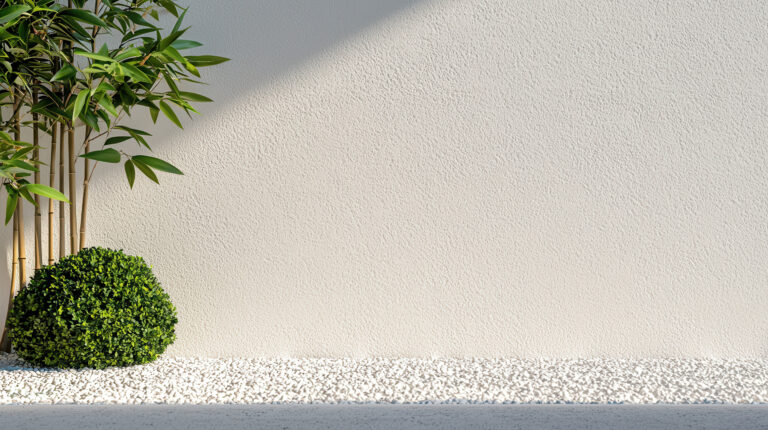
Silicone thin coat render is a modern, flexible topcoat applied over a prepared basecoat and mesh reinforcement. The silicone additives make the surface water-repellent so rain beads and runs off quickly. This helps the facade dry faster after showers and reduces dirt pickup. The pigments are through-colour, which means the colour runs throughout the coat, so there is no regular repainting cycle.
Key Performance Traits:
- Water repellency: Rain sheds quickly, so algae and staining are less likely to take hold.
- Breathability: Moisture vapour can still escape from the wall, helping avoid trapped damp when the substrate is properly prepared.
In Lancashire’s frequent rain and wind, this combination is why silicone thin coat is a popular choice for modern builds and refurbishments alike.
Lifespan You Can Realistically Expect
When installed by an experienced team on a correctly prepared substrate, silicone thin coat render typically lasts 25 to 30 years and often longer. Longevity depends on several factors:
- Substrate and prep: Stable backgrounds, repairs completed, and correct basecoat and mesh make the biggest difference to durability.
- Exposure: Coastal spray, extreme shade, and heavy tree cover can increase biological growth and reduce time between light cleans.
- Impact and movement: Silicone systems are more flexible than traditional sand and cement render, so they handle building movement better and are less prone to hairline cracks.
On guarantees, system warranties are common in the market. Rendplas offers system guarantees in the 10 to 25 year range, with exact terms confirmed at survey and set out in the written quotation. As with any construction guarantee, coverage, responsibilities and maintenance requirements vary by system, so it is best to review the paperwork carefully.
Maintenance, Cleaning and What Low Maintenance Really Means
Silicone thin coat is low maintenance rather than no maintenance. You will not be repainting every few years, but an occasional clean keeps the finish looking sharp.
Safe Cleaning Guidance:
- Annual rinse: A gentle hose down or low-pressure wash to remove surface dust and pollen. Avoid aggressive jetting close to the surface.
- Soft brush only: For marks, use a soft brush with a mild, pH-neutral detergent. Rinse well.
- Algae spots: In shaded or north-facing areas, use a specialist facade cleaner. Always follow manufacturer instructions and test a small area first.
- Gutters and planting: Keep gutters clear and trim back vegetation that traps moisture.
If you notice an isolated scuff or small chip, thin coat systems usually allow discreet repairs. Speak to your installer for colour-matched solutions.
Common Misconceptions
- “Silicone render causes damp”: Not when specified and applied correctly. Issues usually stem from poor detailing or water ingress elsewhere.
- “You can skip primers and basecoats”: Incorrect. The system relies on proper layering for durability.
- “It never needs cleaning”: It stays cleaner longer, but occasional cleaning is still required.
Real-World Pros and Cons
Advantages:
- Low maintenance with long-lasting colour
- Flexible and crack-resistant
- Fast drying after rain reduces staining
- Wide colour palette for modern and traditional homes
Drawbacks:
- Higher upfront cost than basic sand and cement render
- Requires correct system build-up and detailing
- Weather-dependent installation timing
Locally in Lancashire, Off White and Limestone White are the most requested finishes for a crisp, timeless look.
Which Silicone Render Is Best?
There is no one-size-fits-all solution. The best system depends on your substrate, exposure, insulation layer, and desired finish. A site survey ensures compatibility and correct specification.
What Affects the Cost?
- Rendered area and access (scaffolding)
- Substrate condition and repairs
- Detailing complexity (windows, doors, eaves)
- Reinforcement and movement joints
- External wall insulation
- Location and logistics
A site visit is essential for an accurate written quote.
Planning Your Project Timeline
Spring is ideal for booking, with early summer offering stable application conditions. April enquiries typically secure May to June slots, weather permitting.
Quick FAQ
- What is the lifespan of silicone render?
- Typically 25 to 30 years when installed correctly.
- Does it require maintenance?
- Yes, light maintenance including annual rinsing and occasional cleaning.
- What are the disadvantages?
- Higher upfront cost and need for proper system installation.
- Which is the best silicone render?
- The system best suited to your property and environment after a survey.
- How much does it cost?
- Varies based on size, condition, and complexity. A survey is required.
Helpful Next Steps
If you are in Lancashire and comparing options, a professional survey will help define the right system and finish for your property.
Summary
Silicone thin coat render delivers long-lasting colour, excellent water repellency, and low maintenance performance suited to the UK climate. Expect a 25 to 30 year lifespan with guarantees typically ranging from 10 to 25 years. While upfront costs are higher, the durability and reduced maintenance make it a strong long-term investment.